
The Ultimate Guide to Wildlife Photography in British Columbia
British Columbia is one of the last places on Earth where large ecosystems still function in a relatively intact way. Salmon still return by the millions. Forests stretch unbroken for hundreds of kilometres. And where these systems remain healthy, wildlife concentrations can reach extraordinary levels.
For wildlife photographers, this creates opportunities that are rare almost anywhere else in the world.
But photographing wildlife in British Columbia isn’t just about wandering into the forest and hoping to see something. The best wildlife photographers in this province understand a deeper truth: animals gather where food concentrates.
If you learn how to follow these food cycles, especially the herring spawn in spring and the salmon runs in late summer and fall, you can dramatically increase your chances of seeing, and photographing, wildlife.
This guide breaks down the ecological events, locations, and field strategies that can turn British Columbia into one of the most rewarding wildlife photography destinations on the planet.
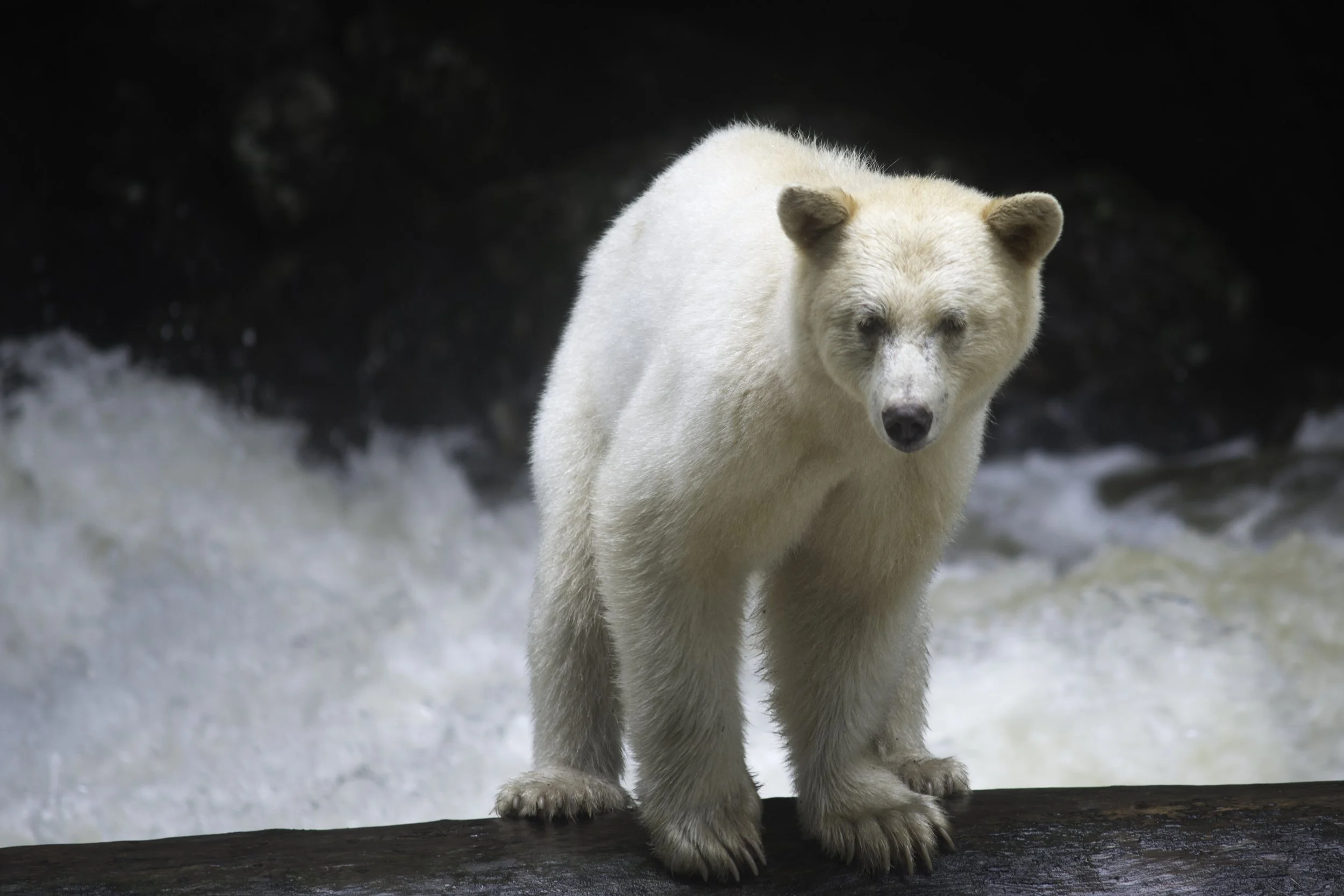
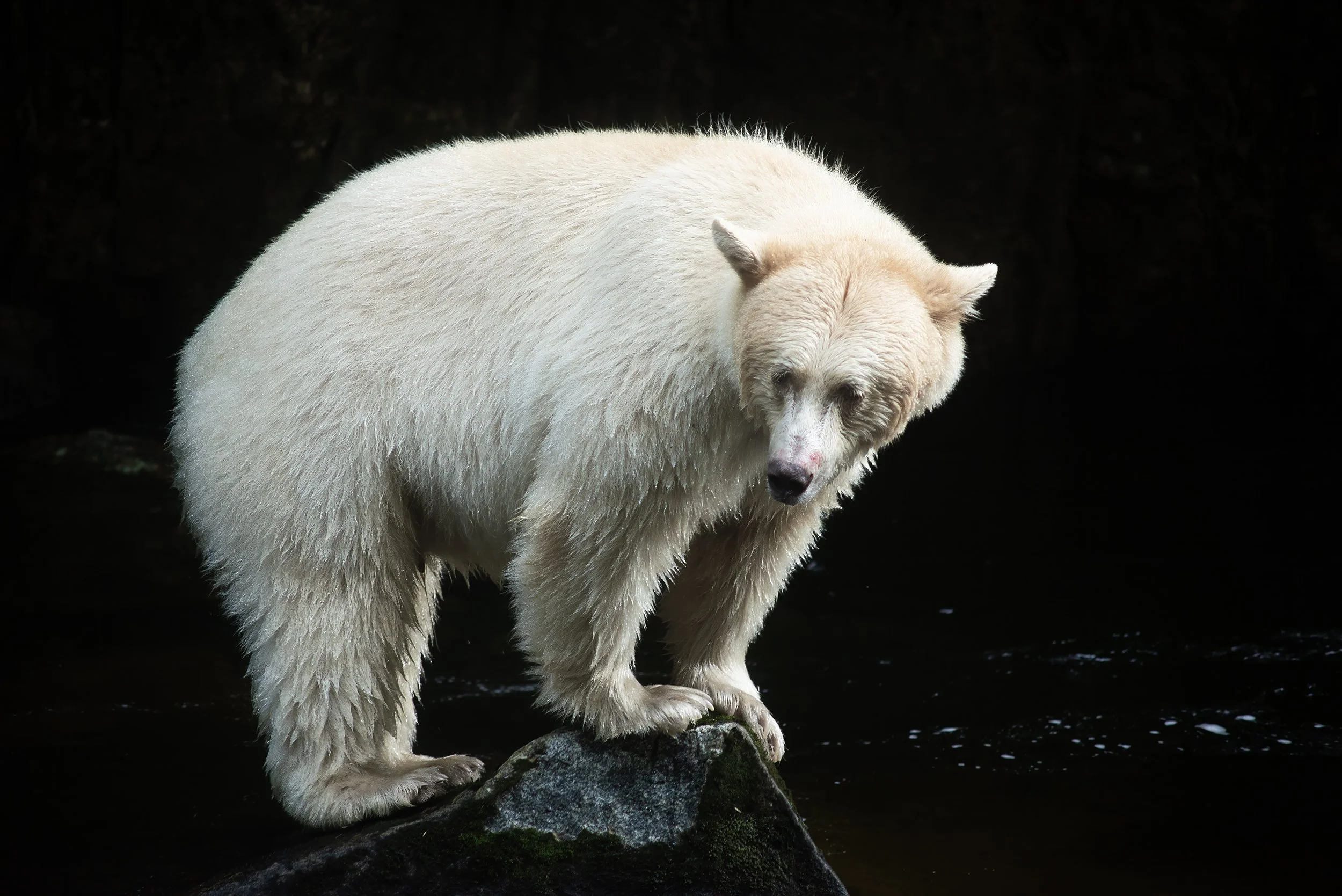
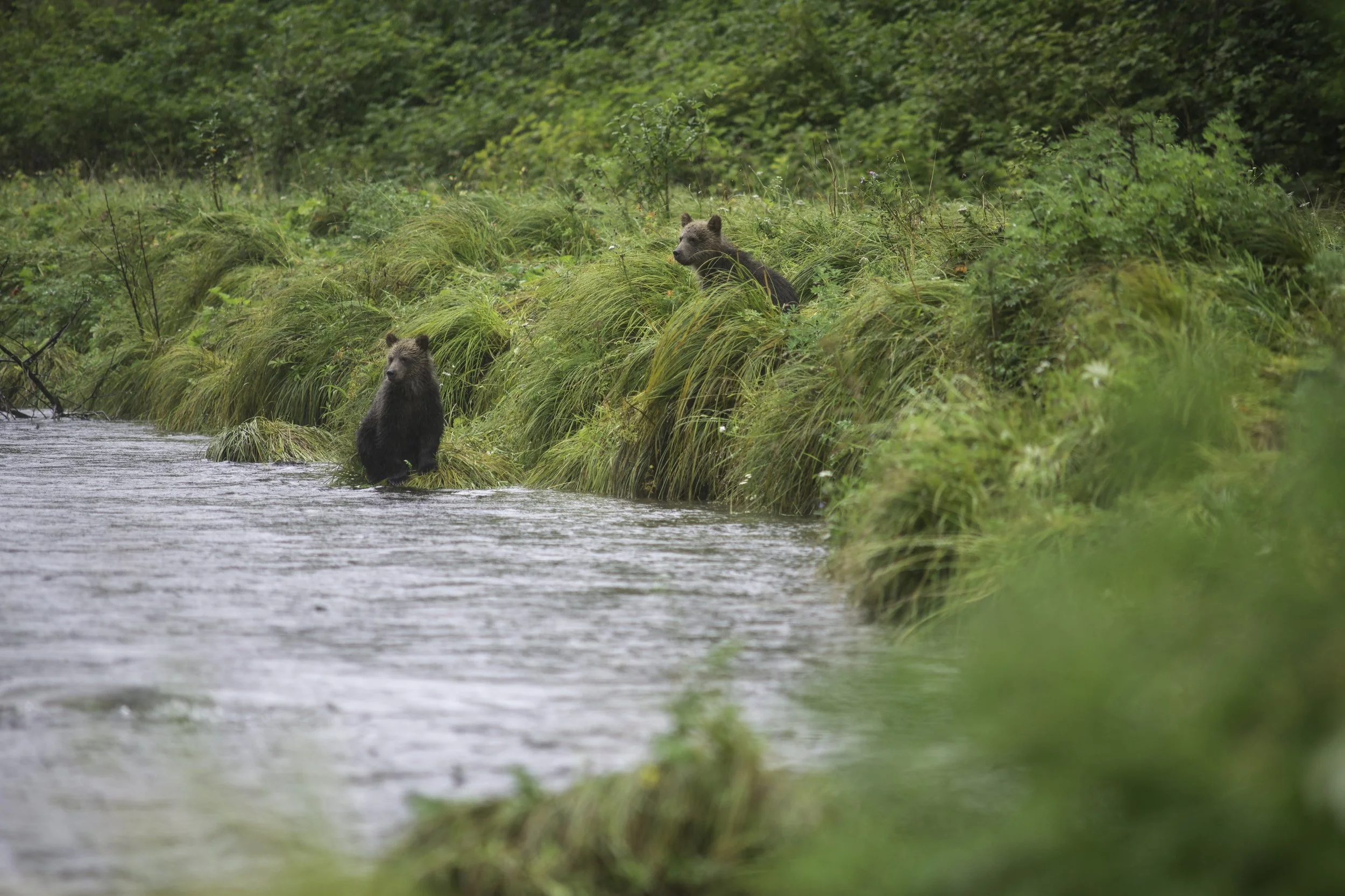
a young spirit bear, watching coho salmon jump up the rapids, waiting for his perfect catch.
Understanding the Ecosystem: Follow the Food
Before talking about specific animals, lenses, or camera settings, the most important concept in wildlife photography here is simple:
Follow the food.
In British Columbia, two events drive massive wildlife concentrations:
The Pacific herring spawn
The Pacific salmon runs

herring roe with on rock weed, along Vancouver island.
These two natural events create food pulses that ripple through the entire coastal ecosystem. When they happen, animals that are normally elusive or widely distributed suddenly concentrate in predictable areas.
And for photographers, predictability is everything.
The Spring Herring Spawn: One of the Most Underrated Wildlife Events on Earth
Every spring, along the coast of British Columbia, Pacific herring return to shallow coastal waters to spawn.
The spawn itself is spectacular.
Millions of fish release eggs and milt into the water, turning entire bays a pale turquoise color. Kelp, rocks, and shoreline vegetation become coated in sticky layers of eggs.
But what makes this event extraordinary is what happens next.
The spawn triggers an explosion of wildlife activity.
Predators arrive from all directions:
Bald eagles gather in the hundreds
Black bears patrol the beaches
Sea lions and seals gorge offshore
Wolves move along the coastline searching for easy meals
Migratory birds fill the skies
orca feed on sea lions and fish
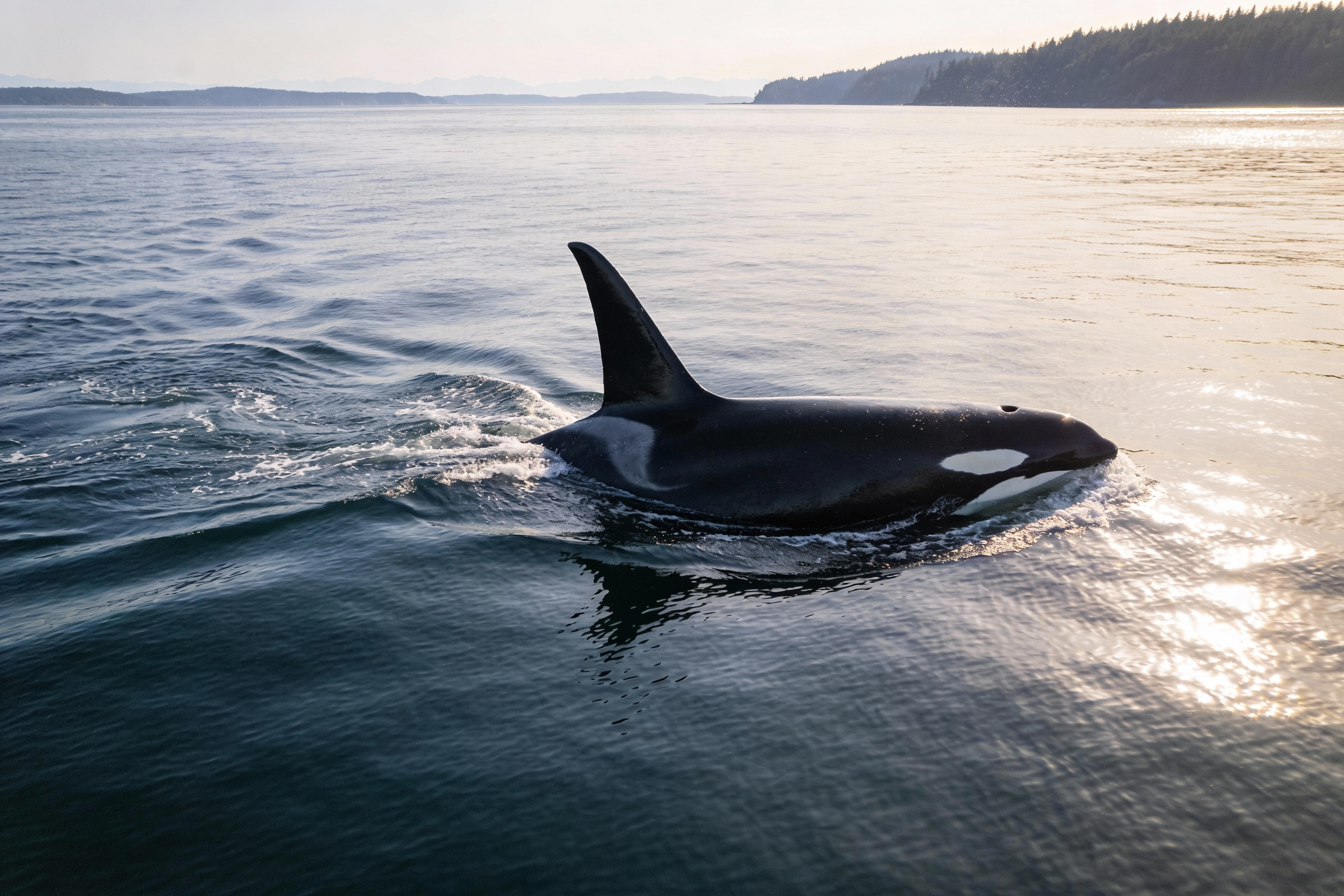
For a few weeks each spring, the coastline becomes one of the most densely populated wildlife environments anywhere in North America.
For photographers, this can mean days where wildlife encounters happen constantly.
Wildlife to Photograph During the Herring Spawn
Bald Eagles
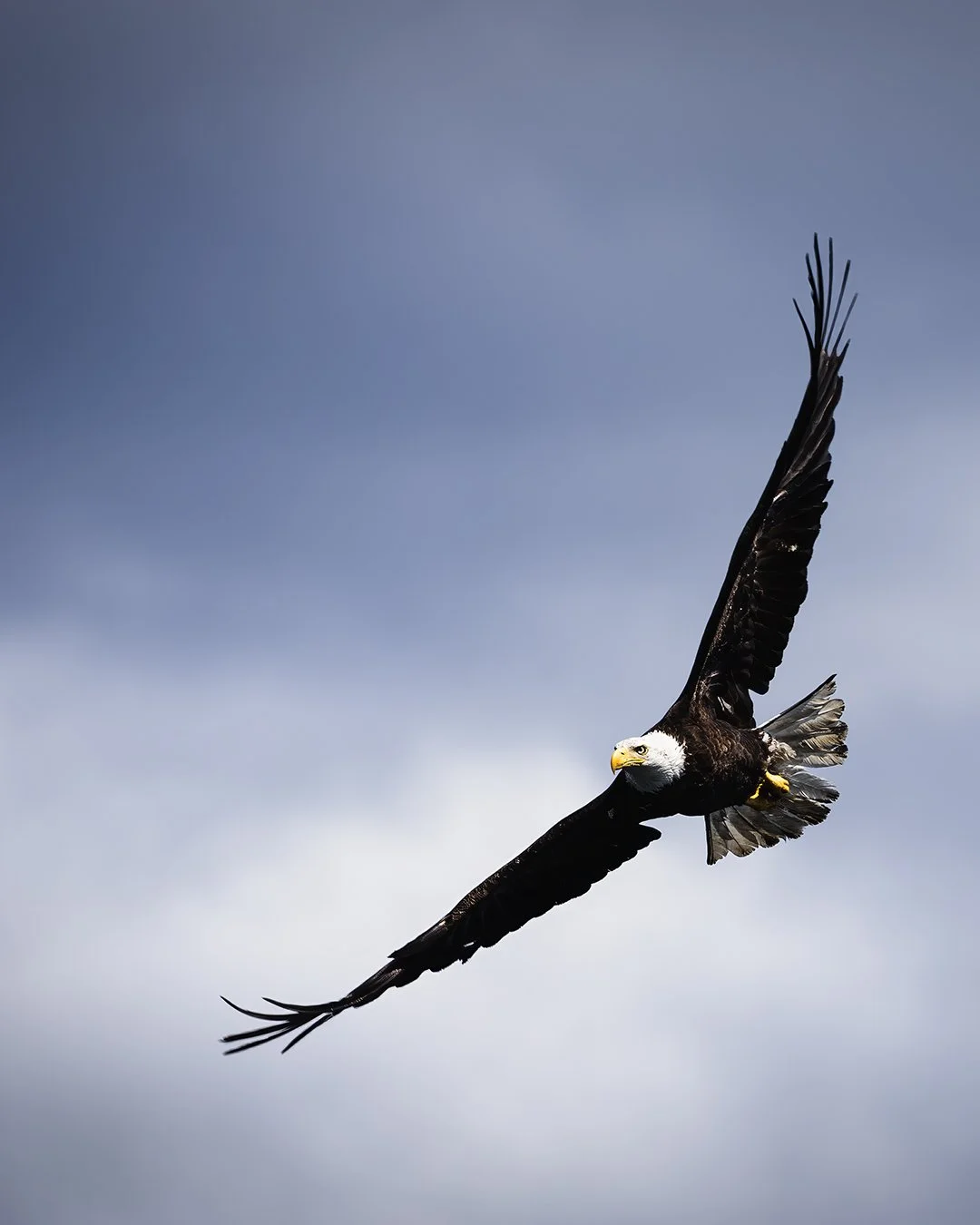
The herring spawn can attract staggering numbers of bald eagles.
Along parts of the coast, hundreds, of eagles gather to feed on herring and eggs along the shoreline.
This creates incredible photographic opportunities:
Eagles fighting mid-air over fish
Groups feeding on beaches
Flight photography in soft coastal light
Juvenile birds interacting and competing
Black Bears
Spring is also when black bears emerge from hibernation.
After months without food, they immediately begin searching for calories. Herring eggs are an easy and highly nutritious meal.
Bears will walk beaches flipping rocks, licking kelp, and feeding on eggs along the shoreline.
These early spring feeding opportunities can create some of the most intimate black bear photography conditions of the entire year.
The Second Great Wildlife Event: The Salmon Runs
If the herring spawn is the opening act, the salmon runs are the main event.
Every year from late summer into fall, Pacific salmon return from the ocean to the rivers where they were born.
These runs are among the most important ecological events in British Columbia.
Salmon bring ocean nutrients hundreds of kilometres inland, feeding countless species along the way.
For wildlife photographers, salmon runs mean one thing:
Bears. Wolves. Eagles. Everywhere.
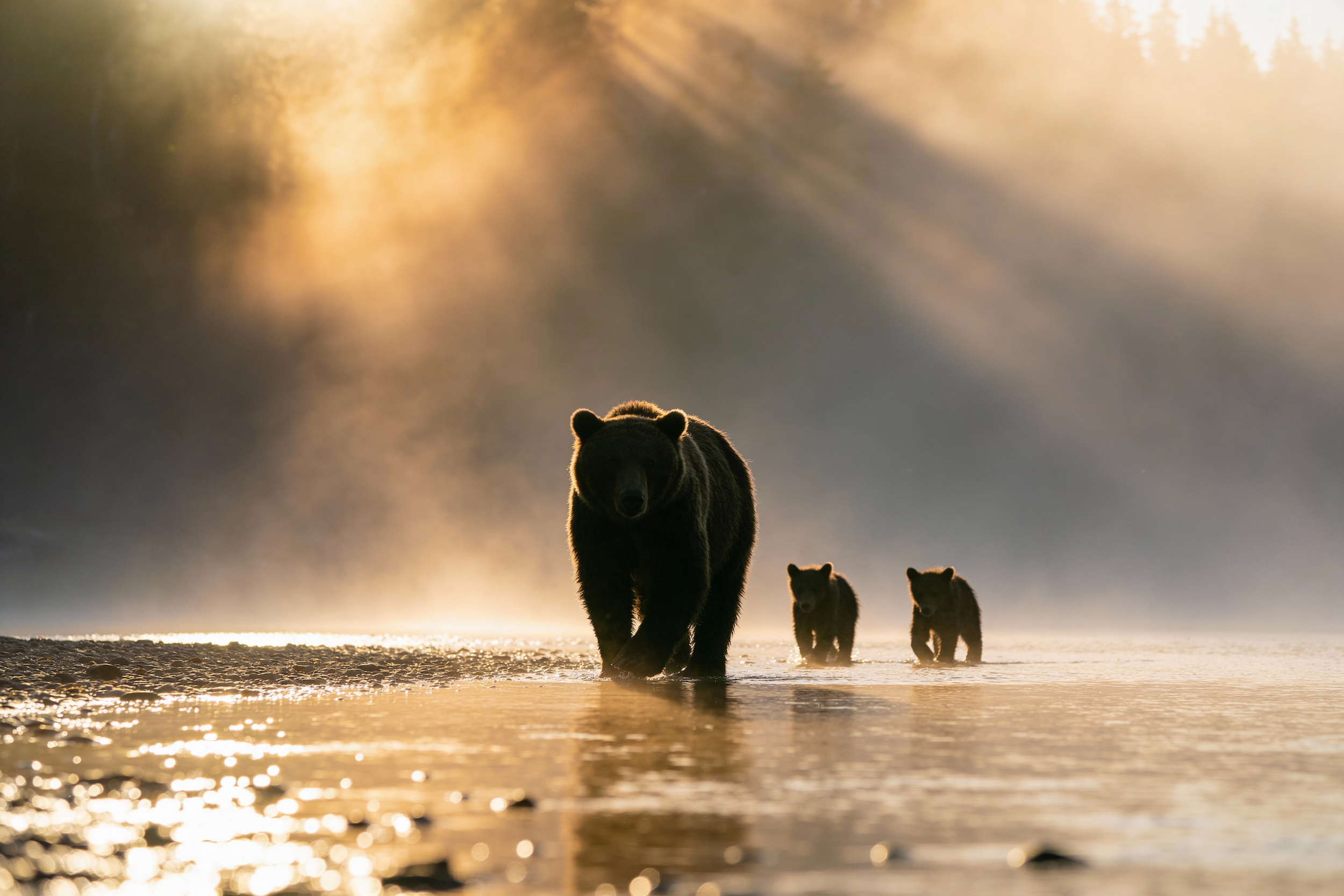
Photographing Bears During Salmon Runs
Salmon streams can become bear magnets.
When the runs are strong, bears may feed for 12–16 hours per day, moving up and down rivers catching fish.
This can create some of the most incredible wildlife photography opportunities anywhere in the world.
Photographic opportunities include:
Bears catching salmon mid-river
Bears feeding on riverbanks
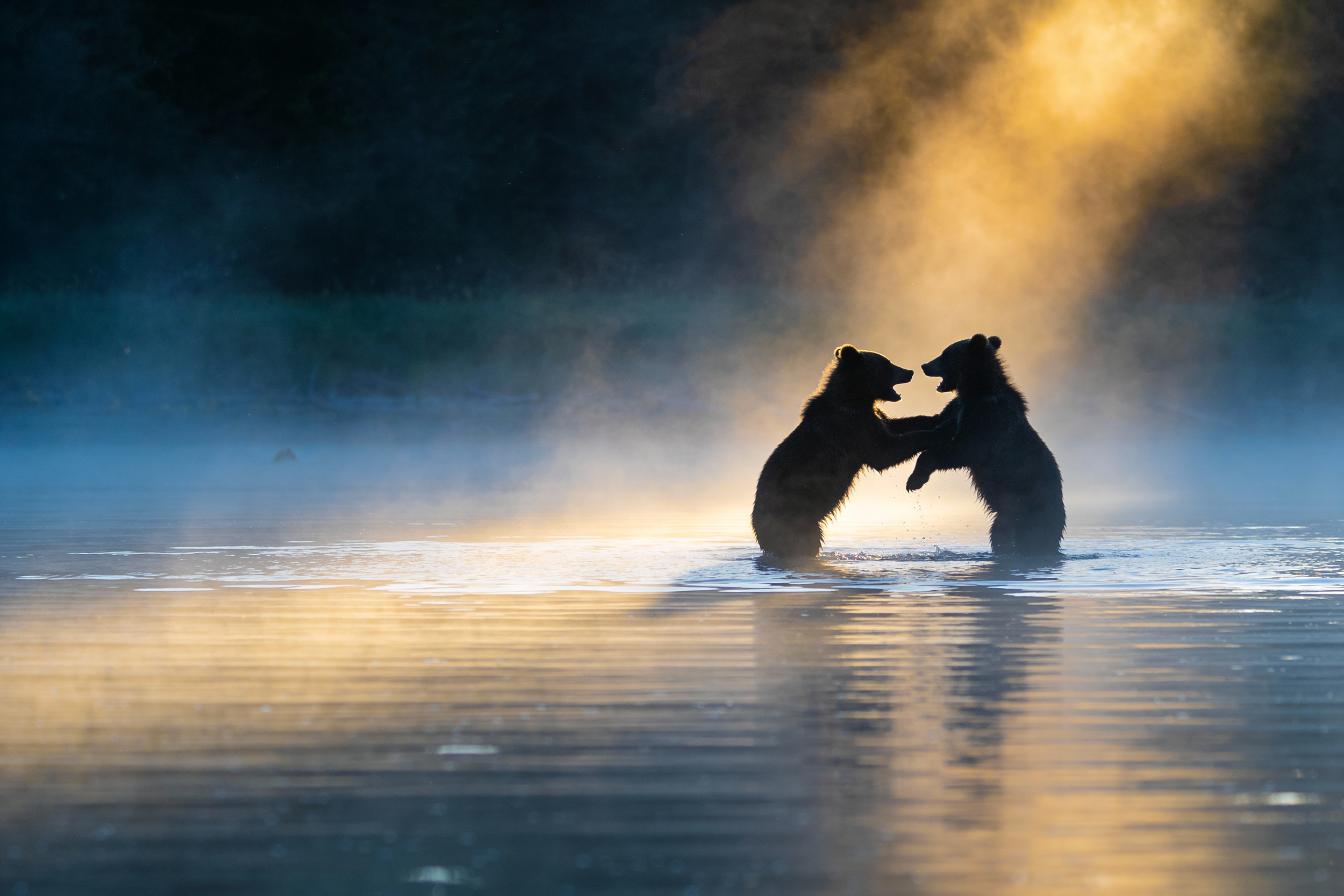
Bears interacting with each other
Cubs learning to fish
Dominant bears defending prime fishing spots
Because bears return to productive fishing areas repeatedly, photographers can often anticipate behaviour and position themselves accordingly.
Three of the Best Wildlife Photography Locations in British Columbia
British Columbia is huge, and incredible wildlife exists in many regions.
But a few places stand out consistently for photographers.
These are three of my personal favourites.
1. Western Vancouver Island
The west coast of Vancouver Island is one of the most productive wildlife photography regions in Canada.
Here, ancient temperate rainforest meets the open Pacific Ocean, creating an incredibly rich ecosystem.
Wildlife here includes:
Black bears
Wolves
Bald eagles
Sea otters
Humpback whales
Grey whales
Sea lions
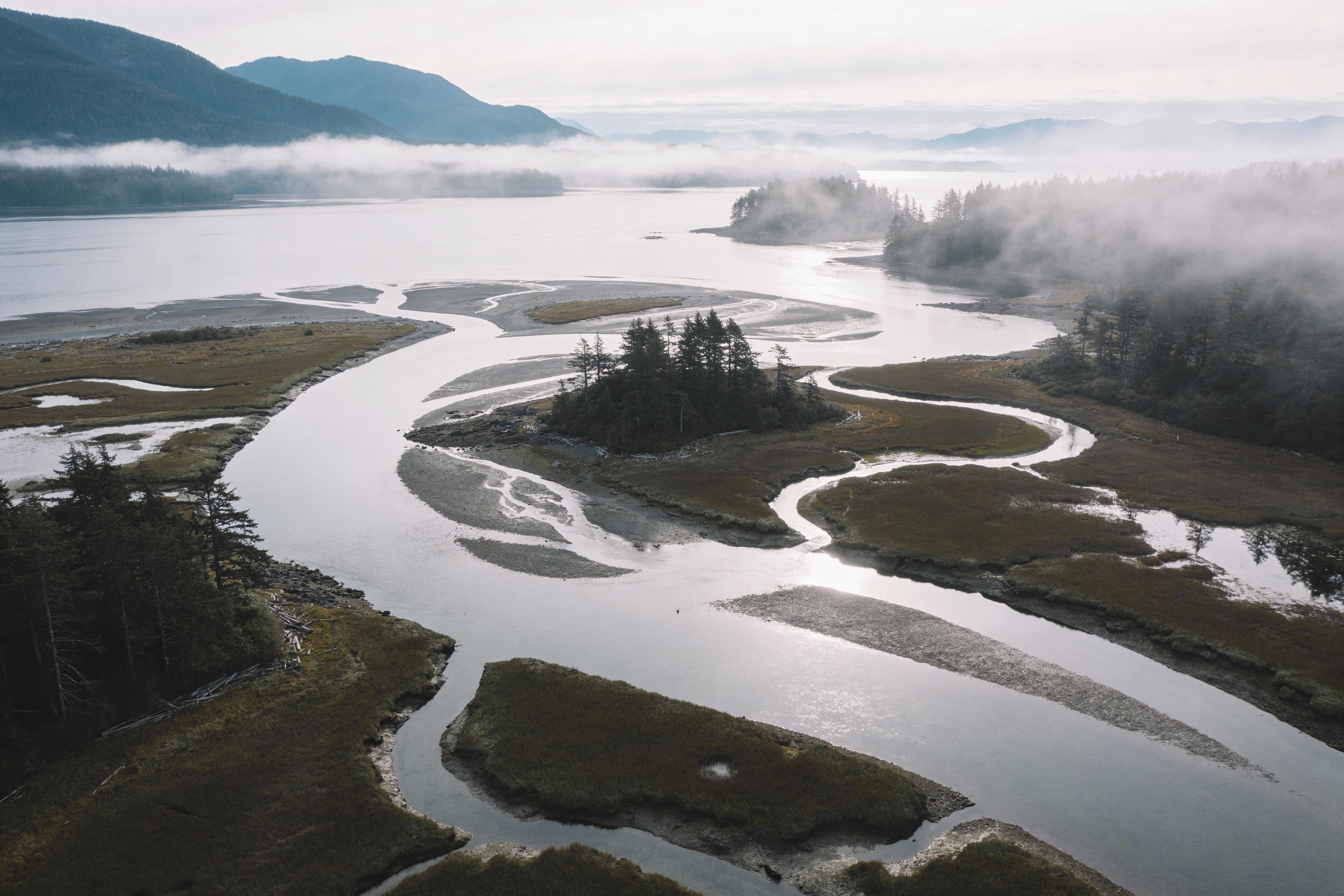
During the spring herring spawn, this region can become especially active.
Small bays and inlets fill with spawning fish, attracting birds and mammals in large numbers.
The variety of habitats also creates incredible photographic backdrops:
Rugged coastlines
Foggy beaches
Driftwood forests
Kelp beds
Ancient cedar forests
For photographers looking for diversity, from marine life to large mammals, few places rival this stretch of coastline.
2. The Great Bear Rainforest
The Great Bear Rainforest is one of the most legendary wildlife photography destinations on Earth.
Stretching along the central coast of British Columbia, this region is home to one of the largest intact temperate rainforests remaining anywhere in the world.
It is also home to extraordinary wildlife.
Photographers come here hoping to see:
Coastal wolves
Black bears
Grizzly bears
Bald eagles
The rare white Spirit Bear
During salmon season, bears gather along rivers throughout the rainforest to feed.
Some locations can host multiple bears simultaneously, creating opportunities for dramatic behavioural photography.
The landscape itself adds another layer of beauty:
Moss-covered forests
Mist rising from rivers
Massive old-growth trees
Remote fjords and inlets
Few places combine wilderness, wildlife density, and dramatic scenery like the Great Bear Rainforest.

3. Chilko River
Interior British Columbia offers a very different wildlife photography experience.
One of the most exciting locations is the Chilko River, which hosts one of the largest salmon runs in the province.
During peak salmon season, the river can become a hotspot for wildlife activity.
Grizzly bears arrive in large numbers to feed on the returning fish.
For photographers, this can create unforgettable scenes:
Bears chasing salmon through shallow water
Multiple bears feeding along gravel bars
Dominant bears controlling the best fishing spots
Cubs learning survival skills
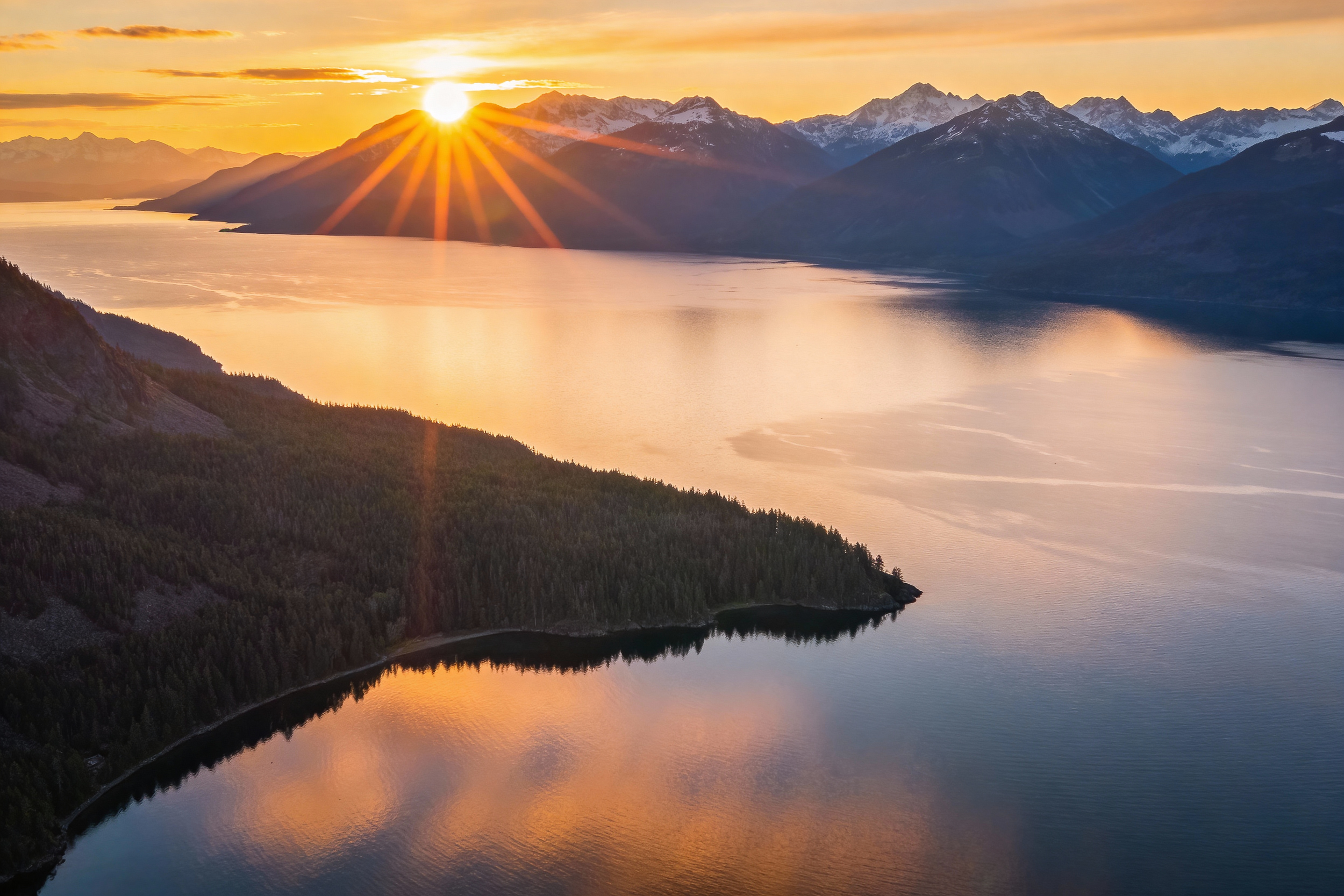
The Chilko region also offers dramatic mountain scenery, wide river valleys, and expansive wilderness landscapes that add scale and context to wildlife images.
Field Techniques for Wildlife Photographers
Finding wildlife is only part of the equation.
How you behave in the field can determine whether animals remain relaxed or disappear entirely.
Some of the most important wildlife photography skills have nothing to do with cameras.
Stay in One Spot Longer Than You Think
One of the biggest mistakes photographers make is moving too often.
When photographers constantly reposition, they push wildlife out of an area.
Animals notice movement far more than they notice stillness.
Instead, try this approach:
Find a promising location
Set up quietly
Stay still for extended periods
Wildlife often reappears once they realize nothing is chasing them.
Many of my best wildlife encounters have happened after sitting quietly for an hour or more.
Patience is one of the most powerful tools in wildlife photography.
Use the Longest Lens You Can
Long lenses serve two critical purposes:
They allow tighter framing of distant animals
They keep photographers farther away from wildlife
Staying at a respectful distance is essential for both ethics and behaviour.
Animals that feel pressured will change their behaviour, or leave entirely.
When animals behave naturally, the photographs become far more powerful.
Anticipate Behaviour Instead of Reacting
Great wildlife photography often comes from anticipating behaviour rather than reacting to it.
For example:
Bears tend to follow predictable fishing paths along rivers
Eagles often take off into the wind
Wolves frequently travel established routes
If you understand these patterns, you can position yourself in advance.
This transforms photography from chasing wildlife to letting wildlife come to you.
Using Seasonal Behaviour to Your Advantage
Wildlife photography becomes dramatically easier when you understand seasonal behaviour.
Animals become predictable during key periods of the year.
Mating Seasons
Mating season can dramatically increase wildlife visibility.
During these periods:
Animals move more frequently
Territories are defended
Social interactions increase
For example, during bear mating season in spring and early summer, bears often travel long distances searching for mates.
This can lead to more encounters, and fascinating behavioural photography.
Ethics: The Most Important Rule
The best wildlife photographers understand that the animal always comes first.
If an animal changes its behaviour because of your presence, you are too close.
Respecting wildlife ensures:
Natural behaviour
Better photographs
Long-term conservation
And ultimately, protecting these ecosystems ensures photographers will still have wildlife to photograph in the future.
Why British Columbia Is One of the Best Places on Earth for Wildlife Photography
Very few places in the world still contain ecosystems where:
Salmon runs remain massive
Predator populations remain healthy
Forests remain largely intact
British Columbia still holds many of these rare ingredients.
When the timing is right, during herring spawn or salmon runs, the sheer density of wildlife can be astonishing.
For wildlife photographers willing to learn these natural cycles, the province offers opportunities that rival anywhere on Earth.
Bringing the Wild Into Your Home
Spending time in these places changes you.
Watching wolves move silently along a misty coastline. Seeing a bear explode through a river chasing salmon. Standing beneath a sky full of eagles during the herring spawn.
Moments like these are impossible to forget.
Many of the photographs available on my fine art prints page come directly from these ecosystems and seasonal events.
If you’d like to bring a piece of British Columbia’s wild landscapes and wildlife into your home, you can explore the collection of available prints here.
Each image represents time spent in the field, patience, and deep respect for the wildlife that makes this province one of the most extraordinary places on Earth.
