
Why Good Light Is The Most Important Aspect Of Photography
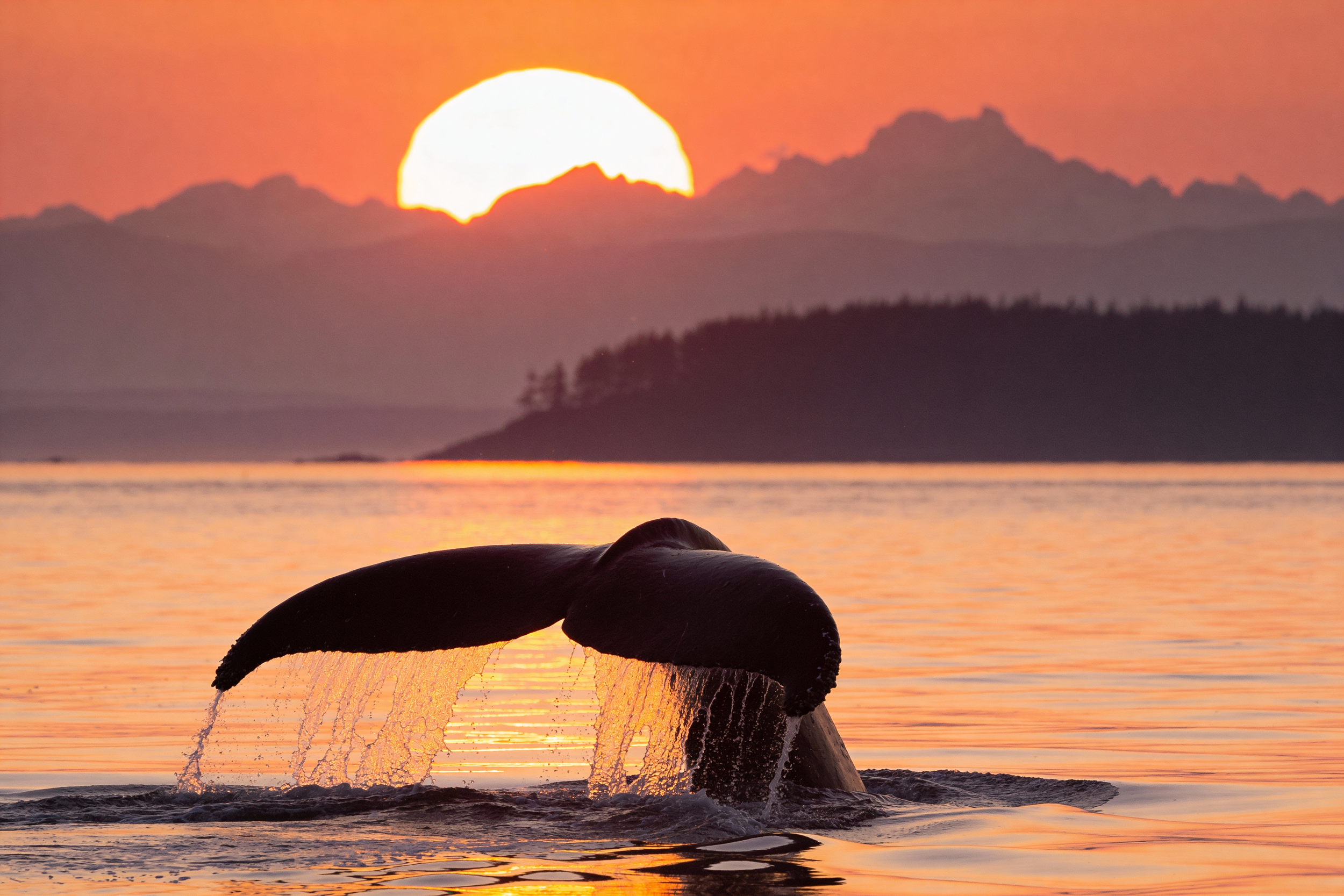
If I had to strip photography down to one thing, it wouldn’t be sharpness, composition, gear, or even the subject.
It would be light.
Every strong photograph you’ve ever stopped scrolling for had one thing in common: the light was doing the heavy lifting. Not because it was flashy or dramatic, but because it made sense. It shaped the subject. It created mood. It told you how to feel before your brain had time to analyze what you were looking at.
Good light turns an ordinary moment into something worth remembering. Bad light turns a rare moment into a missed opportunity.
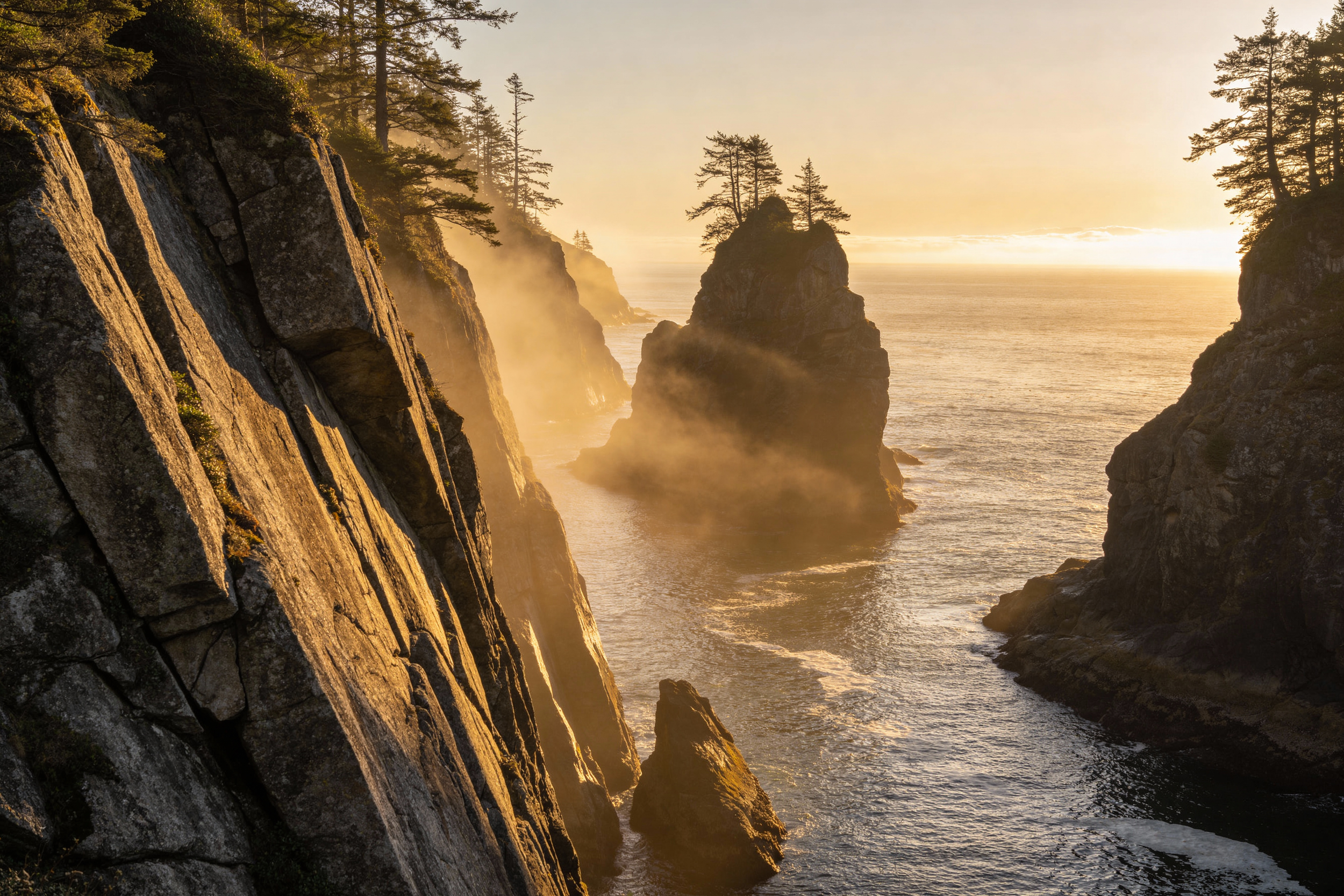
Light Is the Difference Between Seeing and Feeling
You can photograph the most incredible wildlife subject on the planet, an eagle, a bear, a whale, but if the light is flat, harsh, or directionless, the image will feel empty. Technically fine, emotionally forgettable.
Good light adds depth.
It creates separation.
It gives shape, texture, and intention.
Soft side light reveals form. Backlight adds atmosphere and motion. Low-angle light wraps around a subject and gives it presence. These aren’t stylistic choices, they’re emotional ones.
Light decides whether a photo feels alive or dead on arrival.
Light Creates Predictability
This is something wildlife photography teaches you fast: animals don’t move randomly. Light doesn’t either.
Good photographers aren’t chasing animals, they’re positioning themselves where light and behavior intersect. When you understand how light moves through a landscape, you can start to predict where moments will happen before they do.
Where the sun will rise.
Where it will skim the water.
Where it will backlight mist, breath, feathers, or spray.
Gear Doesn’t Fix Bad Light
This one stings, but it’s true.
A better camera won’t save harsh midday sun.
A sharper lens won’t add depth to flat light.
Higher megapixels won’t create mood.
Some of the strongest images I’ve ever made were with modest gear, because the light was right. Light is the foundation. Everything else is secondary.
Timing Beats Talent
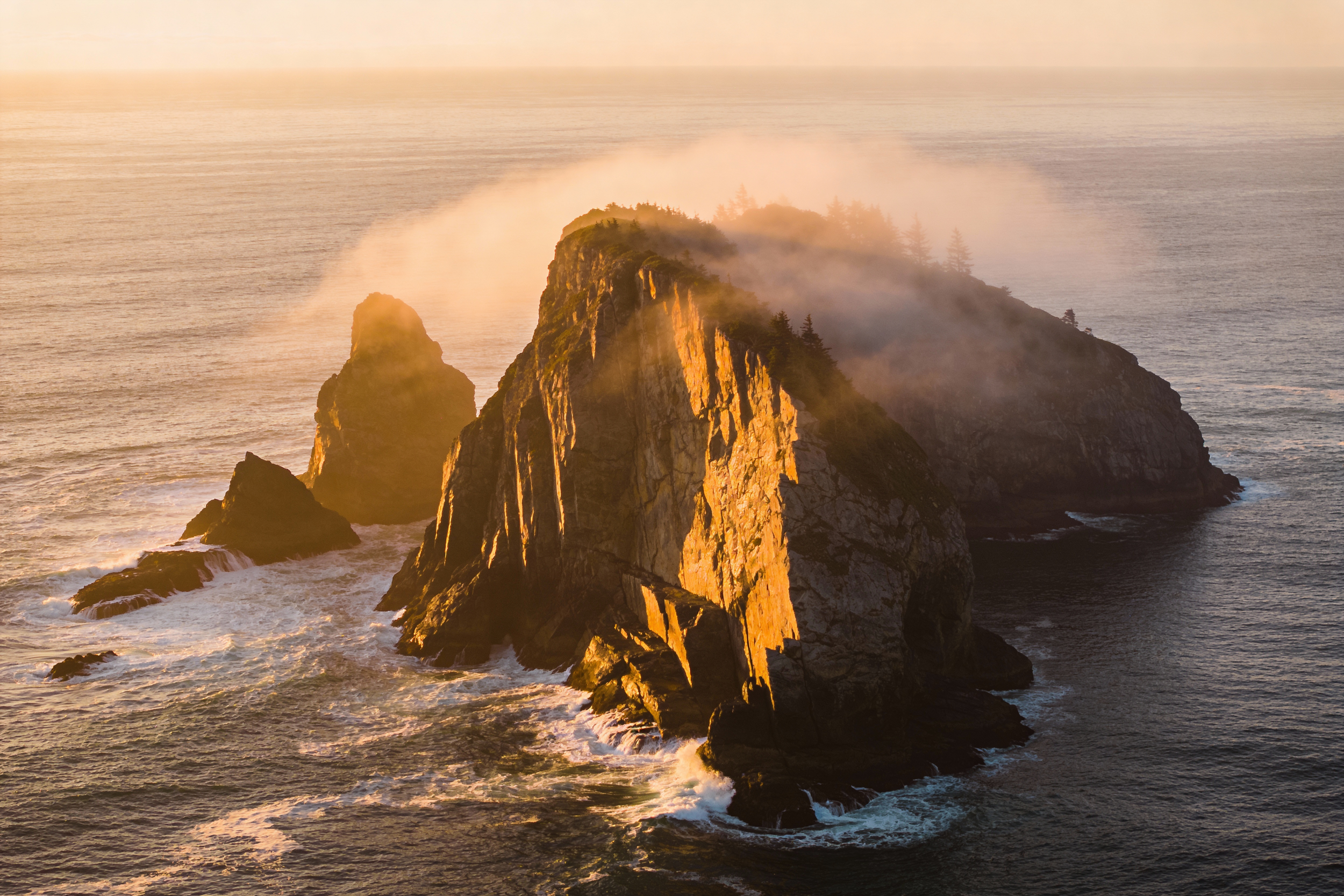
You don’t need to be more creative. You need to be more patient.
Good light is fleeting. It shows up quietly, hangs around briefly, and disappears without apology. The photographers who consistently create strong work aren’t necessarily more talented, they’re more willing to wait, return, and walk away empty-handed until conditions align.
They understand that forcing a photo rarely works.
Letting light lead usually does.
Why This Matters
We live in a time of constant images. Endless content. Infinite scroll.
Good light is one of the few things that still stops people.
It cuts through noise.
It slows the viewer down.
It gives an image weight.
If you want your photographs to last, to feel timeless rather than trendy, start by prioritizing light over everything else. Subjects will come and go. Locations will change. Gear will be replaced.
When Light is great, everything else becomes easier.
